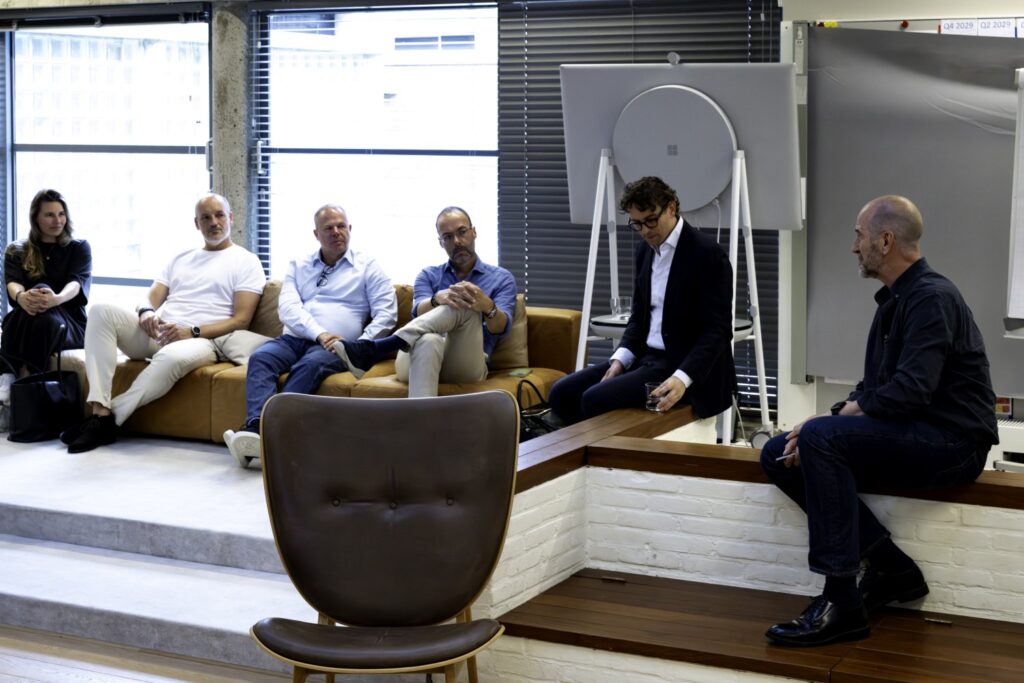
Earlier this week, Finch Buildings welcomed architect Andrew Waugh to the Netherlands for a series of exclusive meetings. As the founder of Waugh Thistleton Architects, he is one of the world’s pioneers in the field of large-scale timber construction. During the small-scale sessions at BPD in Amsterdam, Houtlab in Nieuwkuijk, and Heijmans in Rosmalen, Andrew shared his vision for the future of the construction industry.
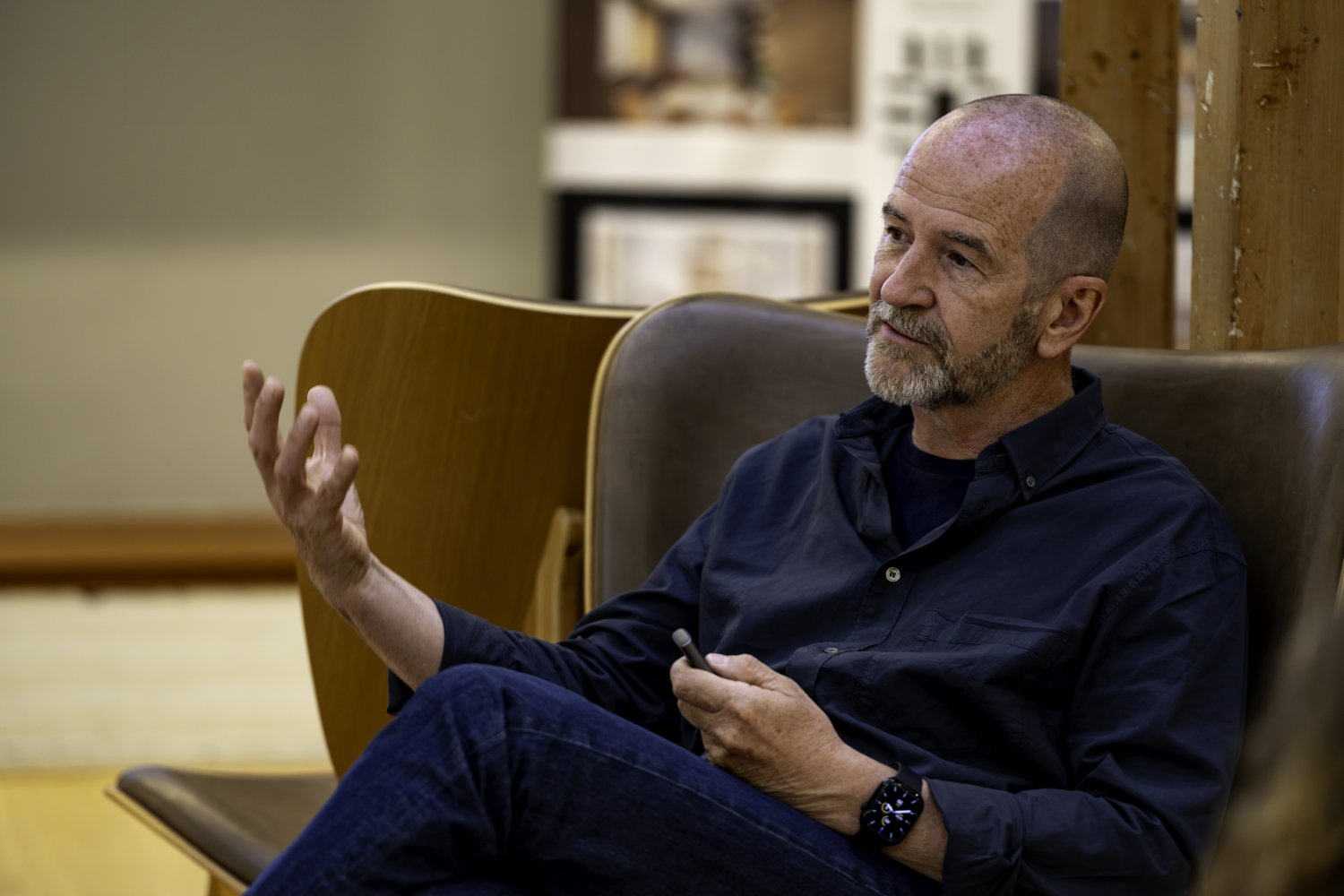
According to Andrew, the discussion is slowly shifting from the question of whether we should build more with wood to the question of how we can organize that on a large scale. He believes this is not only about reducing CO₂ emissions, but also about striving for healthier buildings, a more efficient construction process, efficient use of materials, and a different approach to design.
“There are so many benefits, and they’re so obvious.” "said Andrew." “Our buildings should contribute to our health and well-being rather than detract from it.” "That’s the future of architecture."
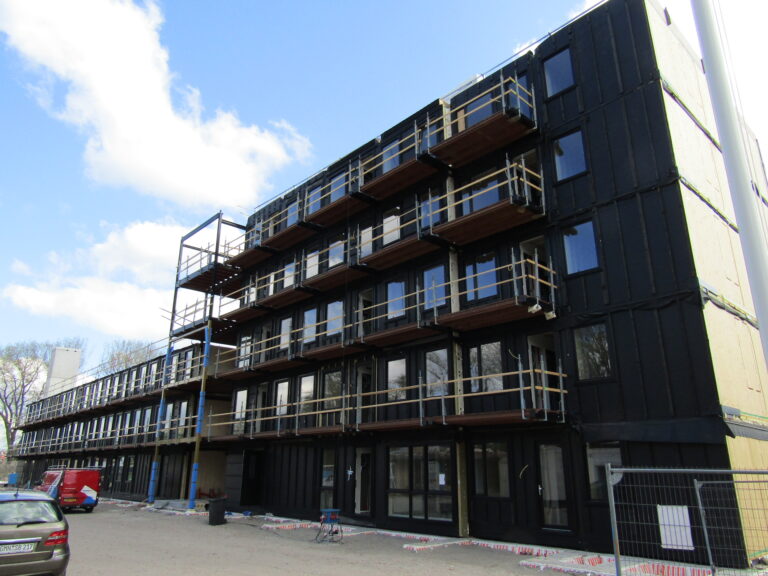
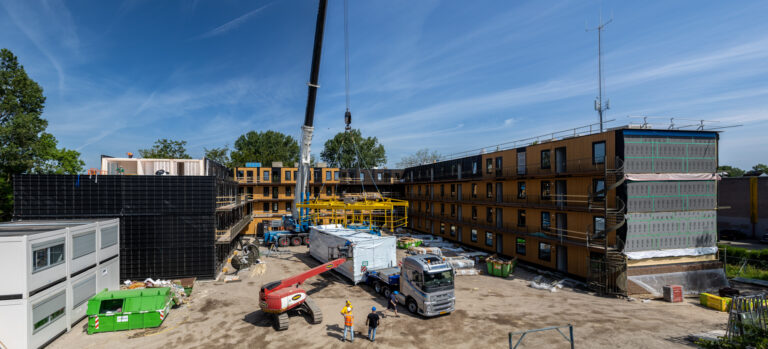
Jurrian Knijtijzer demonstrated how Finch Buildings is putting this vision into practice in the Netherlands. Drawing on completed projects and ongoing developments, he highlighted the strengths of the modular wood construction platform. By intelligently coordinating design, engineering, and production, projects can be completed more quickly, with low material-related CO₂ emissions and maximum design freedom.
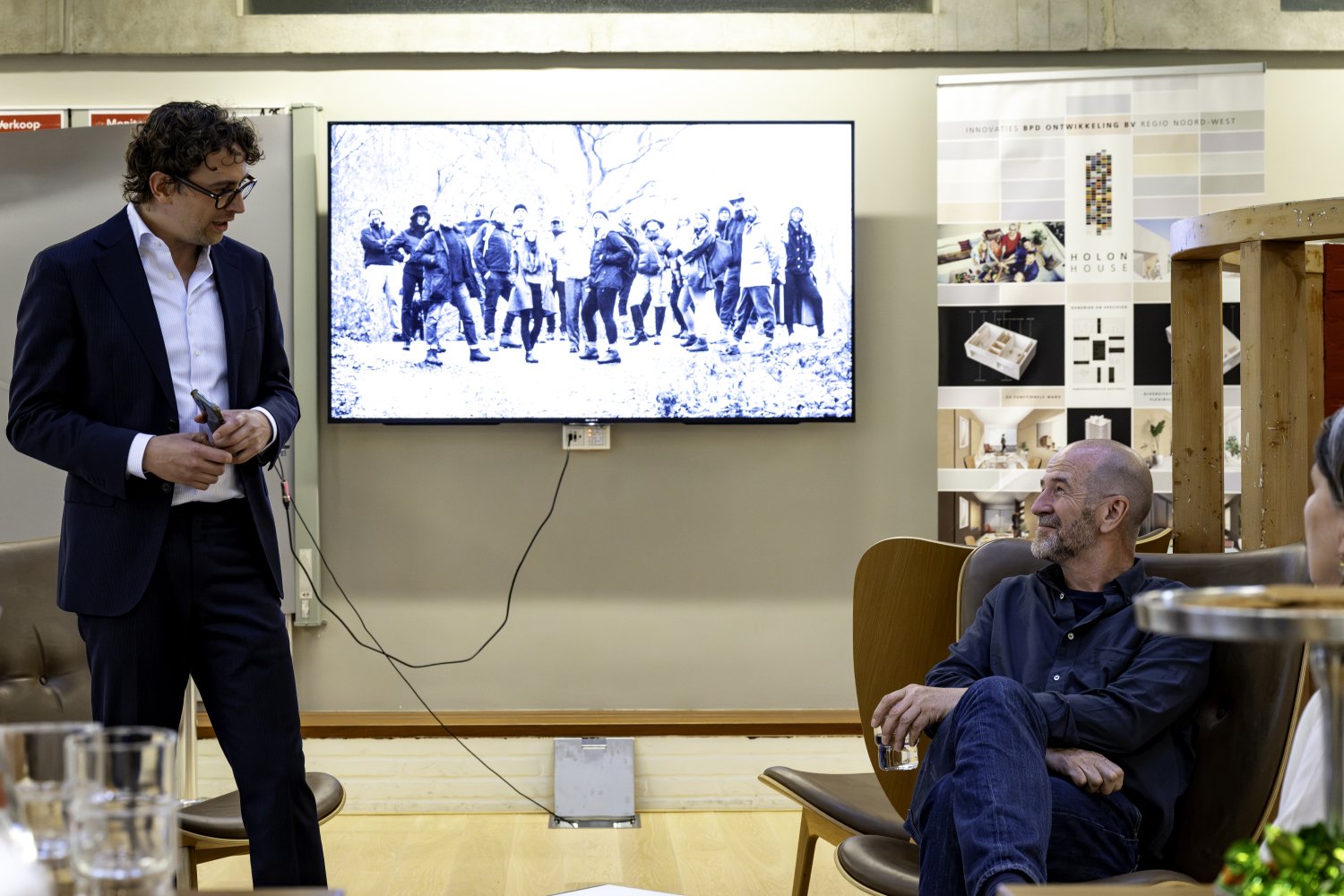
During the closing discussion with all the guests, valuable conversations arose on topics such as affordability, circularity, insurability, regulations, and the recognition of the societal benefits of wood construction. A recurring theme was that many benefits of wood construction—such as health, well-being, speed, and a lower environmental impact—are still not sufficiently factored into financial considerations and decision-making. According to Jurrian, change is possible: ‘People make decisions using spreadsheets. If we change the spreadsheets, we can address both the climate crisis and the housing crisis.’
Andrew also expressed his appreciation for Finch Buildings’ approach. In his view, the platform stands out because it is not based on a single factory or a single fixed product, but on a flexible system that combines design freedom with industrial production. ‘Finch Buildings has developed a process that does not limit the product. They offer a dynamic solution for production, design, and architecture.’
Another important topic was the responsible use of wood as a material. Although wood stores CO₂, Andrew emphasized that it is also a valuable natural resource that must be used carefully. ‘For each of our buildings, we track and publish the amount of timber we’ve used per square meter in the building. We’re constantly working to reduce that amount. It’s a natural resource, and we need to think carefully about how we use it.’
Waugh Thistleton Architects and Finch Buildings share this conviction. By designing the modular platform as efficiently as possible, less wood is needed to achieve the same performance. This may result in less CO₂ stored per building, but above all, it leads to a smarter use of a valuable renewable resource. After all, maximum sustainability does not mean using as much wood as possible, but rather creating as many future-proof homes as possible with as little material as possible.
Thanks to Andrew Waugh and Waugh Thistleton Architects for three inspiring days. Thanks to BPD, JaJo, and Heijmans for their hospitality. And, of course, to everyone who attended and actively contributed their ideas.